
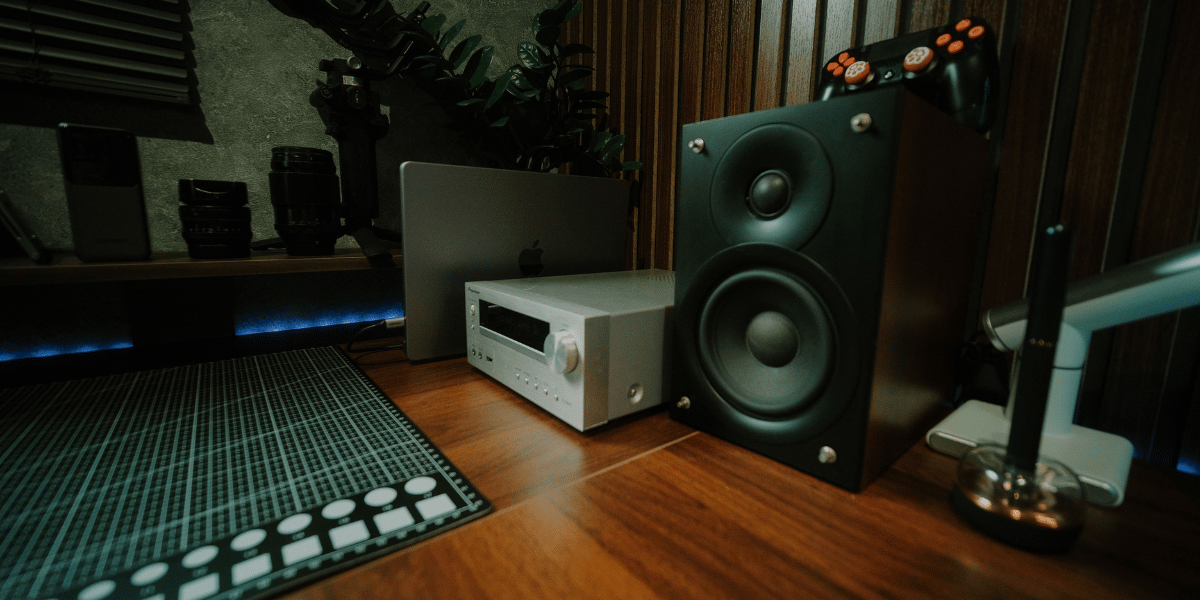
A good audio video system should make a space feel easier to enjoy, easier to use, and more connected to the way people actually live or work. Whether it is a home theatre, music room, family entertainment area, outdoor patio, meeting room, retail store, or commercial space, the goal should not be technology for its own sake. The goal should be a system that sounds clear, looks clean, works reliably, and feels simple for the people using it every day.
Many people begin an AV project by thinking only about equipment. They may compare speakers, televisions, projectors, amplifiers, receivers, cables, streaming devices, mounts, or control systems. These products matter, but they are only one part of the full experience. A screen may look impressive but feel too large for the room. Speakers may be high quality but sound uneven because of poor placement. A system may have advanced features but become frustrating if it is difficult to control.
A company such as Signature Audio Video can help homeowners and businesses look at the full picture before the system is installed. The room, layout, sound, lighting, wiring, equipment, controls, and future needs should all work together. When they do, the final setup feels more polished, useful, and enjoyable.
The Room Should Shape the System
Every room has its own layout and limitations. A living room with open space and large windows will need a different audio video approach than a dedicated theatre room. A boardroom will need different planning than a restaurant, retail store, or outdoor entertainment area. Ceiling height, wall materials, furniture placement, flooring, lighting, and seating distance all affect how the system should be designed.
A screen should match the viewing distance and lighting conditions. Speakers should be placed where they can provide clear and balanced sound. Equipment should be organized so it is accessible but not messy. Wires should be managed carefully so the room feels clean and finished.
When the system is designed around the space, it feels more natural. The technology does not overwhelm the room. Instead, it becomes part of the environment. This is especially important in homes where comfort and design matter, and in businesses where presentation and reliability are important.
Sound Quality Can Change the Whole Experience
Clear sound can completely change the way people experience entertainment and communication. In a home, better audio can make movies more immersive, music more enjoyable, sports more exciting, and gaming more engaging. In a business, clear sound can make meetings easier to follow, presentations more professional, and customer spaces more comfortable.
Good sound does not depend only on speaker size or price. The room plays a major role. Hard floors, glass, high ceilings, open spaces, and furniture placement can all affect how audio behaves. Speaker placement, amplifier matching, calibration, and listening position also matter.
For people considering home audio installation, the best setup should match how the home is used. Some people want focused stereo listening. Others want surround sound for movies. Some want music in multiple rooms. A thoughtful plan helps make the sound clear, balanced, and easy to enjoy.
Home Theatre Should Feel Immersive but Simple
A home theatre can become one of the most enjoyable spaces in a house when it is planned properly. It can support movie nights, sports, streaming, gaming, and family gatherings. However, a great theatre experience is not created by screen size alone.
The screen, seating, lighting, speakers, receiver, controls, and wiring all need to work together. If the screen is too large for the room, watching may feel uncomfortable. If speakers are placed poorly, dialogue may be difficult to hear. If lighting creates glare, the picture may not look its best. If the controls are confusing, people may avoid using the system.
A well-designed home theatre should feel immersive without becoming difficult. People should be able to sit down, start the system, adjust the volume, and enjoy the experience without dealing with visible wires, multiple remotes, or complicated settings. The best theatre systems make technology feel effortless.
Whole-Home Audio Can Make Music More Convenient
Music can improve the feeling of a home. It can make cooking, relaxing, entertaining, working, or spending time with family more enjoyable. Whole-home audio allows music to play in different areas without relying on separate portable speakers in every room.
A kitchen may need clear background music. A living room may need stronger sound for entertainment. A bedroom may need softer audio. A patio may need outdoor-rated speakers. A basement or recreation room may need a more powerful setup for gatherings.
The key is convenience. A good whole-home audio system should allow people to choose where music plays, control volume by area, and enjoy sound without confusion. When planned well, music becomes part of daily life instead of another technology problem to manage.
Clean Installation Makes a Big Difference
Even high-quality AV equipment can feel disappointing if it is installed poorly. Visible wires, cluttered components, uneven mounting, crowded shelves, and messy cable layouts can make a space feel unfinished. Clean installation is an important part of a successful audio video project.
This may include wall mounting displays, hiding wires where appropriate, organizing equipment, labeling cables, placing speakers carefully, and making sure the system is accessible for future service. These details may seem small, but they affect both appearance and daily usability.
In homes, clean installation helps protect the design of the room. In businesses, it supports a professional appearance. A system that looks clean and organized is also easier to maintain and upgrade later.
Business AV Systems Need Practical Reliability
Businesses often depend on audio video systems for daily work. Offices may need meeting room displays, microphones, video conferencing, and speakers. Retail spaces may need background music and screens. Restaurants may need balanced audio zones. Training rooms may need clear visuals and reliable sound.
When a business AV system is unreliable, it can waste time and create frustration. Staff should not need technical support every time they start a meeting or adjust volume. Customers should not experience uneven audio or poorly placed displays. Presentations should not be interrupted by confusing controls or weak connections.
For companies exploring business AV system design, the focus should be reliability, simplicity, and fit. The system should support the way the business operates instead of becoming another thing employees need to troubleshoot.
Control Systems Should Be Easy for Everyone
A strong AV setup should be easy to control. This is one of the most important parts of everyday usability. A system may include a display, speakers, receiver, streaming device, projector, lighting, and other components. If each part requires a different remote or app, the experience can become frustrating.
Good control design makes the system feel simple. A person should be able to watch a movie, play music, start a meeting, or adjust the sound without needing to understand every technical detail behind the setup.
This matters in family homes where different people may use the system. It also matters in businesses where staff, presenters, clients, or guests may need equipment to work quickly. A system that is easy to use is more likely to be used often and enjoyed properly.
Outdoor AV Requires Special Planning
Outdoor spaces can become more enjoyable with the right audio video setup. A patio, deck, pool area, or backyard entertainment space can benefit from music, speakers, or video when the system is planned properly. However, outdoor AV needs different consideration than indoor AV.
Weather, moisture, sunlight, temperature changes, mounting locations, wiring access, and sound coverage all matter. Outdoor speakers should be chosen for the environment. Sound should be placed carefully because it behaves differently without walls. Outdoor displays may need attention to brightness, glare, viewing angle, and protection.
A well-planned outdoor system can make exterior spaces more useful for relaxing, hosting, and spending time with family. It should feel durable, convenient, and suited to the way the outdoor area is used.
Equipment Should Fit the Purpose
There are many audio video products available, and it can be difficult to know what is actually needed. Screens, speakers, amplifiers, receivers, projectors, cables, mounts, streamers, and control systems all come with different features and price points. Choosing based only on specifications or online reviews can lead to a system that does not fit the room.
The right equipment should match the purpose of the space. A powerful speaker system may not be necessary for a small room. A large screen may not be comfortable at a short viewing distance. A complex control setup may not be useful for someone who wants simple everyday entertainment.
Good planning helps match the right products to the right environment. This creates a system that feels balanced, useful, and easy to manage over time.
Future Upgrades Should Be Considered Early
Audio video needs can change. A homeowner may start with a living room setup and later want whole-home audio, outdoor speakers, or a theatre room. A business may begin with one meeting room and later need more displays, microphones, or connected spaces.
Planning ahead can make future upgrades easier. This may include wiring, network strength, equipment compatibility, control options, and room layout. It does not mean everything must be purchased at once. It simply means the system should be designed with future possibilities in mind.
This is especially helpful during renovations or new construction. When walls are open or rooms are being redesigned, it may be easier to prepare for future audio, video, and control needs.
Professional Planning Helps Avoid Common Problems
Many AV problems happen because equipment is purchased before the full system is planned. A screen may not suit the room. Speakers may be placed poorly. Wires may be hard to hide. Components may not work well together. Controls may become confusing. These problems can make the final setup less enjoyable, even if the individual products are good.
Professional planning helps by looking at the whole experience. The room, sound, picture, wiring, equipment, controls, installation, and long-term usability should all be considered together. This approach can reduce mistakes and create a cleaner final result.
A thoughtful plan can also help people prioritize. Some spaces need higher-performance sound. Others need simple reliability. Some businesses need durability and ease of use more than advanced features. The best solution depends on the real needs of the space.
A Better AV System Makes Spaces More Enjoyable
Audio video systems should improve everyday life and work. In a home, the right setup can make music, movies, gaming, sports, and family gatherings more enjoyable. In a business, it can support meetings, presentations, training, communication, and customer experience.
A strong AV system should feel clean, reliable, and easy to use. It should be designed around the room, installed carefully, and matched to the people who will use it most. When these details come together, technology becomes less frustrating and more valuable.
Whether someone is planning better sound at home, a clean theatre setup, whole-home music, outdoor entertainment, or a business AV system, thoughtful planning can make the final result more practical, polished, and enjoyable for years to come.